The digital marketing landscape has transformed dramatically. In 2026, businesses that rely solely on traditional advertising or organic reach are falling behind. Performance marketing has emerged as the single most powerful strategy for brands that want measurable results, controlled spending, and sustainable growth. Whether you run a startup or an established enterprise, performance marketing is no longer optional. It is the foundation of modern business survival.
This blog covers what performance marketing is, why it matters in 2026, and four key subtopics every business owner must understand to stay competitive.
What Is Performance Marketing and Why Does It Matter in 2026
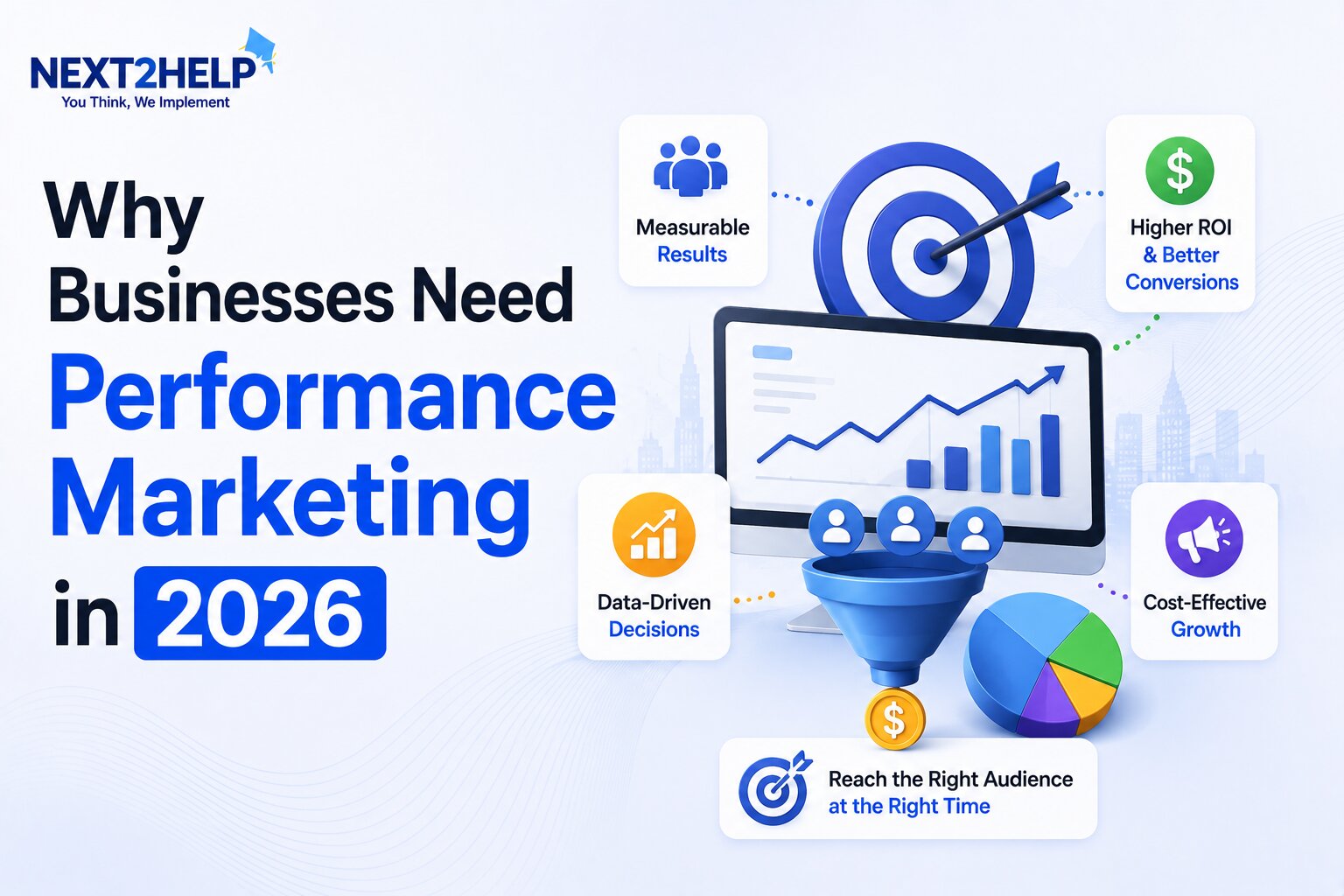
Performance marketing is a results-driven digital strategy where advertisers only pay when a specific action occurs, such as a click, lead, sale, or app install. Unlike traditional marketing where you pay upfront with uncertain outcomes, performance marketing ties every rupee spent to a measurable result.
In 2026, consumer behavior is more digital than ever. People research products on Google, discover brands through paid social ads, and convert through targeted landing pages. Businesses that invest in performance-driven channels, including Pay-Per-Click (PPC), display advertising, affiliate marketing, and paid social, are the ones capturing attention at the right moment and converting it into revenue.
The core advantage is accountability. Every campaign has clear KPIs. Every ad spend is tracked. Every conversion is attributed. This level of transparency is why businesses across industries are shifting their entire marketing budgets toward performance channels.
PPC Advertising: The Engine of Performance Marketing
Pay-Per-Click advertising remains the most direct and scalable form of performance marketing in 2026. Platforms like Google Ads and Microsoft Ads allow businesses to appear at the top of search results the moment a potential customer is actively searching for their product or service.
The beauty of PPC lies in intent targeting. When someone searches for "best digital marketing course in Noida" or "affordable running shoes online," they have already expressed buying intent. A well-structured PPC campaign captures this intent at peak moment and drives them straight to a conversion-optimized landing page.
In 2026, AI-powered smart bidding strategies have made PPC even more effective. Automated bidding tools optimize for conversions in real time, reducing wasted ad spend and improving Return on Ad Spend (ROAS). However, running profitable PPC campaigns still requires deep knowledge of keyword research, quality scores, ad copywriting, and conversion tracking, which is why skilled PPC professionals are in high demand.
Data Analytics and Conversion Rate Optimization
Driving traffic is only half the battle. The real game-changer in performance marketing is what happens after the click. Conversion Rate Optimization (CRO) is the process of improving your website or landing page to turn more visitors into paying customers.
Data analytics sits at the heart of every performance marketing decision. Tools like Google Analytics 4, Meta Ads Manager, and third-party attribution platforms give marketers granular insight into which campaigns, keywords, and creatives are generating the best results. Businesses that master data interpretation can cut underperforming campaigns instantly and double down on what works.
A/B testing headlines, CTA buttons, form lengths, and landing page layouts can improve conversion rates by 20 to 50 percent without increasing ad spend. In a competitive market, this data-driven edge is what separates growing businesses from stagnating ones.
Paid Social Media Marketing: Reach and Retargeting at Scale
Social media platforms including Meta, Instagram, LinkedIn, and YouTube have evolved into powerful performance marketing channels. In 2026, organic social reach has declined significantly, making paid social the primary way brands connect with targeted audiences at scale.
Paid social allows businesses to target audiences based on demographics, interests, behaviors, and purchase history. Retargeting campaigns re-engage users who have already visited your website or interacted with your brand, resulting in significantly higher conversion rates compared to cold audience campaigns.
For local businesses and national brands alike, paid social offers unmatched flexibility in budget, creative format, and audience segmentation. Video ads, carousel formats, and lead generation forms on Instagram and Facebook have become standard tools for performance marketers aiming to maximize ROI at every stage of the funnel.
ROI Tracking and Performance Attribution in the AI Era
One of the biggest advantages of performance marketing over traditional advertising is the ability to attribute results precisely. In 2026, advanced attribution models, powered by machine learning, allow businesses to understand exactly which touchpoints in the customer journey contributed to a sale.
Multi-touch attribution replaces outdated last-click models, giving credit across every interaction, from the initial Google search to the retargeted Instagram ad to the final email that prompted conversion. This holistic view allows performance marketers to allocate budgets more intelligently and justify every rupee of ad spend to stakeholders.
AI-driven platforms are now predicting lifetime customer value, forecasting campaign performance, and automatically reallocating budgets toward the highest-performing channels in real time. Businesses that embrace these AI-powered tools gain a compounding advantage that manual marketing strategies simply cannot match.
Conclusion:
In 2026, performance marketing is not a trend. It is a business necessity. Companies that master PPC advertising, data analytics, paid social, and ROI attribution will grow faster, spend smarter, and outperform competitors who are still guessing their way through marketing.
The question is not whether your business needs performance marketing. The question is whether you have the skills to execute it effectively.
If you are based in Noida or Delhi NCR and want to build a career in PPC and performance marketing, Next2Help offers one of the most comprehensive and industry-focused PPC course in Noida. Designed for beginners, entrepreneurs, and marketing professionals, the Next2Help PPC course covers everything from Google Ads fundamentals to advanced campaign management, conversion tracking, and AI-powered bidding strategies.
With hands-on training, live campaign experience, and expert mentorship, Next2Help equips you with the real-world skills that employers and clients are actively seeking in 2026. Do not let your business or career fall behind. Join Next2Help today and take control of your performance marketing journey.

Categories
Recent posts
Best Institute for a Digital Marketing ...
8 Jul 2024
Unlock Your Future with Next2Help Best ...
8 Jul 2024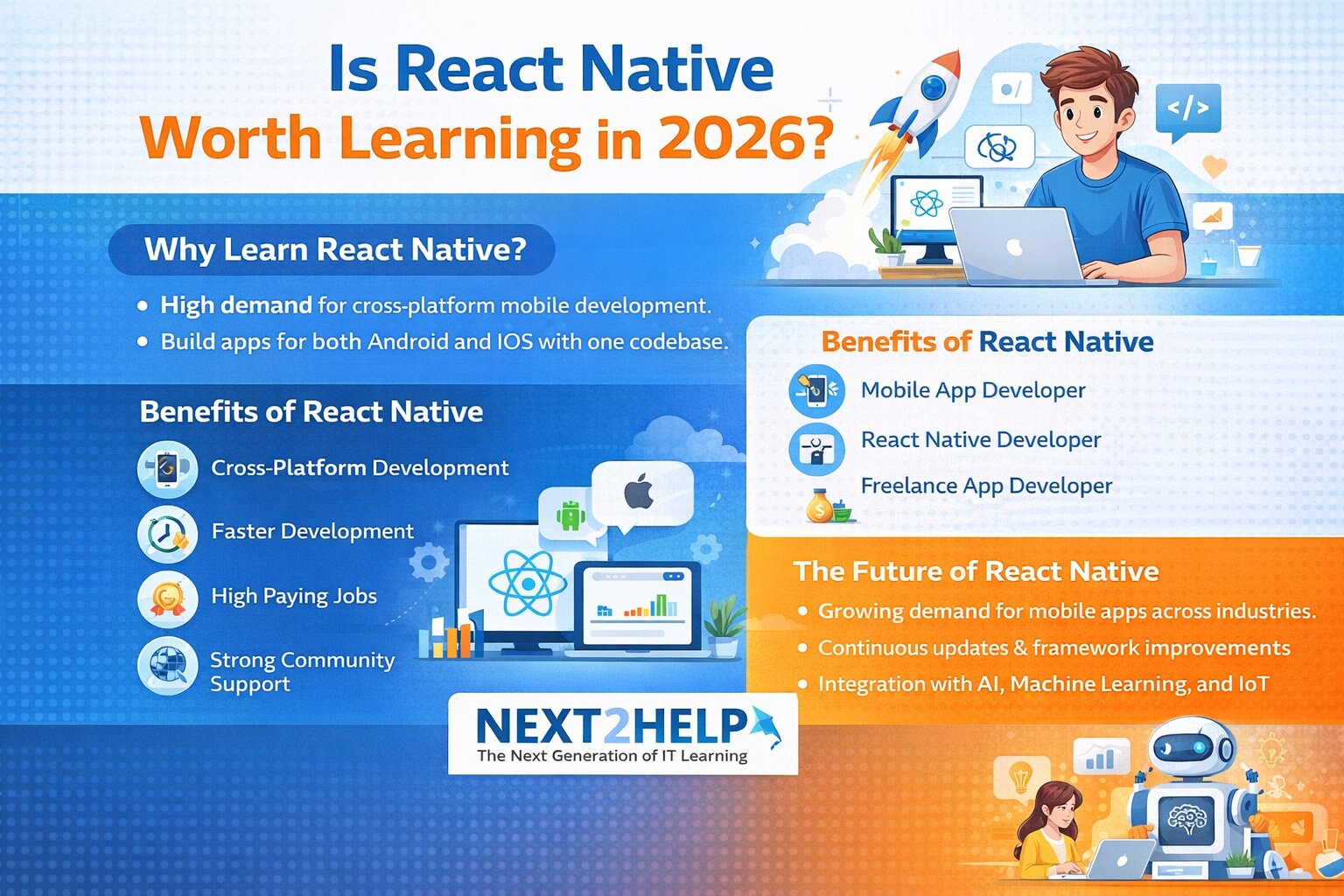
is react native worth learning in 2026
17 Mar 2026